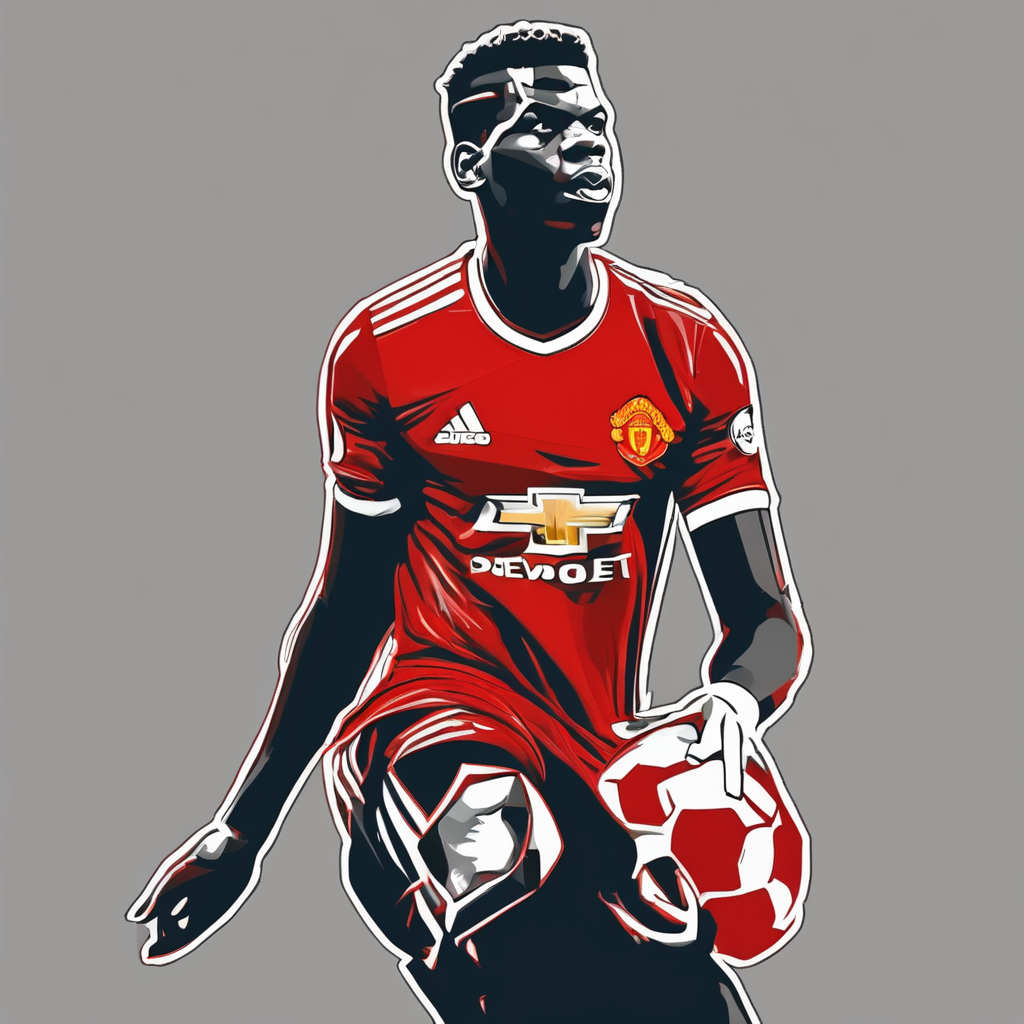

Former Juventus and France midfielder Paul Pogba has opened up about one of the darkest periods of his career, admitting that he seriously considered retirement during his suspension from football. Speaking candidly in an interview with GQ, Pogba reflected on the mental and emotional struggles he endured while facing a potential four-year ban from the sport he has loved since childhood.
The French star, who once stood at the very peak of world football as a World Cup winner and Champions League finalist, explained that the severity of the initial punishment left him feeling broken and uncertain about whether he could ever step onto a football pitch again. “If I had gotten four years, I would have stopped playing football. I didn’t want to say it publicly, but that’s what I thought.” Thankfully for Pogba, the suspension was eventually reduced to 18 months, and having already served that time, he is now free to resume his career. Yet his words underline just how close the football world came to losing one of its most charismatic and polarizing figures long before his natural retirement.
Pogba’s suspension came after a doping violation that shocked both fans and pundits. For a player who had built a career on flair, energy, and dynamism in midfield, the accusations were devastating. While Pogba consistently maintained his innocence, the initial ruling handed him the maximum penalty—a four-year suspension that would have effectively ended his career at the highest level. The Frenchman revealed that this period was a kind of personal crisis, where everyday life became heavy and painful. Living in Turin, where Juventus’ training ground was located near his children’s school, became a constant reminder of what he had lost.
“I’d pick up a ball and play by myself in the street. I was content with what I had. But I didn’t want to stay in Turin. I’d take my kids to school in the morning, and it was right next to the training ground—what a pain.” Even when trying to maintain normality for his family, the shadow of football followed him everywhere. The emotional toll was immense, and Pogba admits that he felt unheard and unfairly treated by the authorities. “I didn’t understand why they gave me the maximum sentence, which meant they genuinely weren’t listening to anything I said.”For Pogba, this ordeal was more than just a sporting setback—it became a transformative life experience.

The midfielder described the months of isolation and uncertainty as a form of catharsis, a process that aged him but also reshaped how he viewed himself and the world around him. “Everything that happened to me changed me. I saw what real life is. It was like a complete catharsis. I suddenly aged 10 years.” These words highlight the contrast between the glamorous world of professional football and the stark realities that Pogba was forced to confront.
For years, Pogba had been one of the most recognizable figures in the sport—his flashy hairstyles, dance celebrations, and high-profile transfers made him a global star. Yet in the silence of suspension, he experienced vulnerability, doubt, and the kind of emotional weight that stripped away the public persona and left only the man behind it. It was during this period that Pogba found himself turning inward, spending more time with his family and finding small joys in simple acts—kicking a ball alone, being present with his children, and reassessing what truly mattered to him.
Now that Pogba’s ban has been reduced to 18 months—a term he has already completed—the big question is whether he can rebuild his career. At 32 years old, the midfielder is no longer the rising prodigy who dazzled at Manchester United or carried France to World Cup glory in 2018. Yet his resilience and experience could still make him a valuable presence, both on and off the pitch.
Clubs considering a move for Pogba will inevitably weigh the controversy of his suspension against his potential contributions. While his physical peak may be behind him, Pogba’s technical skill, passing range, and leadership qualities remain undeniable. Perhaps more importantly, the ordeal has given him a new perspective—one that could fuel a final chapter in his career built on gratitude and determination rather than flash and expectation. For Pogba himself, the battle is not only about returning to the pitch but also about reclaiming his sense of identity as a footballer. After staring down the possibility of retirement, simply stepping onto the grass again will feel like a victory.


